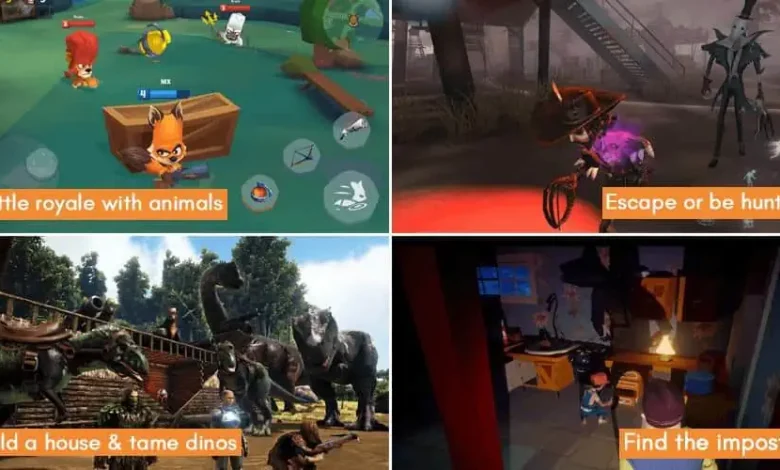
Mobile gaming has undergone a remarkable transformation over the past decade, evolving from simple, solitary experiences to dynamic, multiplayer ecosystems that unite players from around the globe. The introduction of mobile multiplayer games has redefined how we interact with games, making them more social, competitive, and accessible. With the proliferation of smartphones and tablets, mobile multiplayer games have become a cornerstone of the mobile gaming industry. Whether you’re teaming up with friends or competing against strangers in real-time, mobile multiplayer games offer an immersive experience that traditional gaming consoles or PCs can’t replicate in terms of accessibility and convenience.
In this article, we’ll explore the rise of mobile multiplayer games, how they’ve reshaped the gaming landscape, and why they continue to thrive in the fast-evolving world of gaming.
The Evolution of Mobile Multiplayer Games
Mobile gaming has a rich history that dates back to the earliest days of handheld devices. Initially, mobile games were basic puzzle games, single-player experiences, and simple arcade-style games. The idea of multiplayer functionality on a mobile device seemed distant, especially in the early years when internet speeds were slow and mobile devices had limited processing power.
However, as smartphones became more powerful with faster processors, improved graphics capabilities, and more reliable internet connections, the door to multiplayer gaming was opened. Mobile multiplayer games began to emerge, initially as turn-based experiences that allowed players to compete asynchronously. But as technology advanced, the dream of real-time, multiplayer gameplay became a reality.
Today, mobile multiplayer games range from casual puzzle games to intense, competitive battle royales. They can be played solo, cooperatively, or in head-to-head competition, offering something for every type of gamer. Popular games like PUBG Mobile, Fortnite, Clash Royale, and Among Us have become household names, with millions of active players around the world.
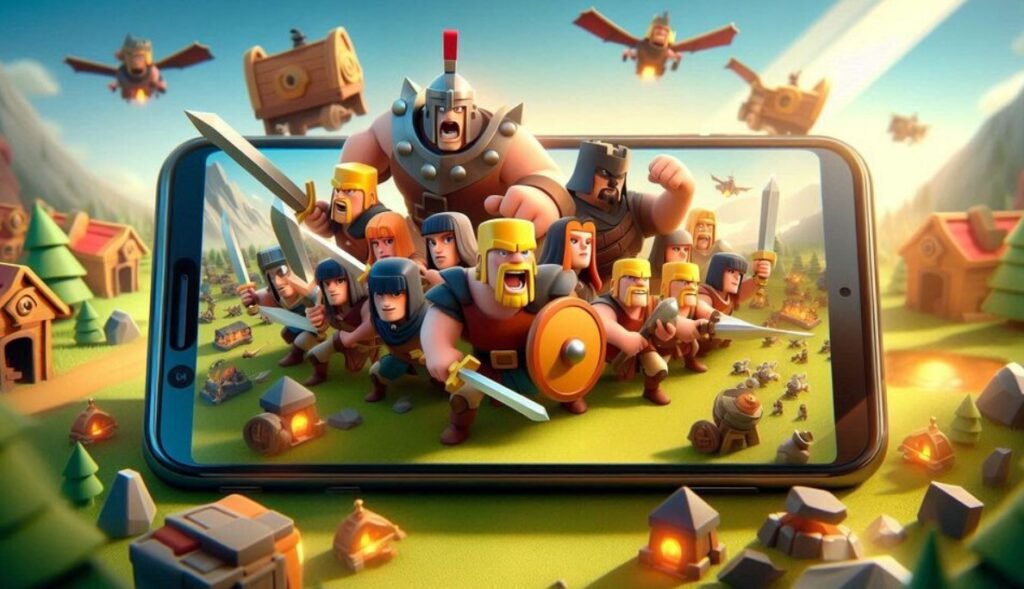
Accessibility and Convenience: A Game Changer
One of the most significant advantages of mobile multiplayer games is their accessibility. Unlike traditional gaming consoles, which require players to invest in expensive hardware, mobile gaming only requires a smartphone or tablet, which many people already own. This has opened up gaming to a much broader audience, including those who may not have had access to consoles or PCs.
Additionally, mobile multiplayer games are incredibly convenient. Players can enjoy their favorite games on the go, whether they’re commuting, waiting in line, or simply relaxing at home. The ease of access and the ability to pick up and play at any time has made mobile multiplayer gaming a preferred choice for many.
Moreover, mobile multiplayer games have transcended geographical boundaries. Players from different corners of the world can connect, compete, or cooperate in real-time, bridging the gap between different cultures and languages. The global nature of mobile gaming has fostered an environment where everyone can play together, regardless of location or time zone.
The Social Aspect of Mobile Multiplayer Game’s
Mobile multiplayer games are more than just a way to pass the time; they’re a social experience. Unlike single-player games, which are solitary by nature, mobile multiplayer games allow players to interact with others, making gaming a more collaborative and competitive endeavor. Many mobile multiplayer games feature social features such as voice chat, friends lists, clans, and guilds, all of which help foster a sense of community.
In team-based games, players must work together to achieve a common goal, which promotes communication, teamwork, and camaraderie. Games like Clash Royale and Call of Duty Mobile feature clan systems where players can join forces to compete in larger tournaments or events, creating a sense of belonging and loyalty among participants.
Multiplayer games also allow for the development of friendships and rivalries. Players can challenge their friends or compete against strangers in ranked matches, all while enjoying the thrill of the game. This social element is one of the main reasons mobile multiplayer games have become so popular – they provide a platform for players to connect, bond, and share their gaming experiences.
The Rise of Competitive Gaming
The competitive scene for mobile multiplayer game’s has grown immensely over the past few years. Titles like PUBG Mobile, League of Legends: Wild Rift, and Arena of Valor have become staples in the world of mobile esports. Major tournaments and competitions now feature substantial cash prizes, with top-tier players gaining recognition and sponsorships.
The accessibility of mobile gaming has played a key role in the growth of competitive gaming. Unlike console or PC esports, which require significant financial investment in hardware and software, mobile esports allows anyone with a smartphone to get involved. This has democratized the competitive gaming scene, allowing players from all walks of life to compete on a level playing field.
The mobile esports industry continues to grow, with more games being introduced and more players entering the competitive scene. Tournaments like the PUBG Mobile Global Championship and Mobile Legends: Bang Bang World Championship have attracted massive audiences, both online and offline, showcasing the immense potential of mobile esports.
Monetization in Mobile Multiplayer Games
Monetization is a crucial factor in the success of mobile multiplayer games. Many games are free to play but rely on in-game purchases to generate revenue. This model has proven to be incredibly successful, as it allows players to try out a game without any initial investment while still giving them the option to enhance their experience through microtransactions.
In-game purchases often come in the form of cosmetic items, character skins, or loot boxes. Some games, such as Clash of Clans and Fortnite, have also introduced seasonal passes, where players can unlock exclusive rewards by purchasing a battle pass and completing specific challenges.
While some players may criticize in-game purchases for being “pay-to-win,” many mobile multiplayer games have managed to strike a balance between offering premium content and maintaining fair gameplay. The ability to generate revenue through in-game purchases has allowed developers to continue updating and expanding their games, offering new content and features that keep players engaged.
Popular Mobile Multiplayer Game’s
There’s no shortage of great mobile multiplayer games out there. Some of the most popular titles include:
- PUBG Mobile: A battle royale game that drops 100 players onto an island, where they must fight to be the last one standing.
- Clash Royale: A strategy game that pits players against each other in real-time battles using a deck of cards featuring troops, spells, and buildings.
- Among Us: A social deduction game where players work together to complete tasks, while trying to figure out who the impostors are.
- Call of Duty Mobile: A first-person shooter that brings the iconic Call of Duty franchise to mobile, with various multiplayer modes including battle royale and team deathmatch.
- Fortnite Mobile: The mobile version of the hugely popular battle royale game, which features building mechanics and vibrant graphics.
These games have captured the attention of millions of players worldwide, with their engaging gameplay, social elements, and competitive features.
The Future of Mobile Multiplayer Games
The future of mobile multiplayer game’s looks incredibly promising. As mobile technology continues to improve, we can expect even more sophisticated and immersive experiences. Faster internet speeds, better graphics, and enhanced processing power will allow for more expansive worlds and more complex gameplay mechanics. Additionally, the rise of cloud gaming and 5G technology will further expand the possibilities for mobile multiplayer gaming, enabling players to stream high-quality games on their mobile devices with little to no latency.
The global nature of mobile gaming means that it will continue to grow, with more players joining the community and more developers creating innovative games. Mobile multiplayer games are here to stay, and they will undoubtedly play a significant role in shaping the future of gaming.
Conclusion
Mobile multiplayer games have revolutionized the gaming industry, providing an accessible, social, and competitive platform for millions of players worldwide. Whether you’re playing casually with friends or striving for esports glory, mobile multiplayer games offer something for everyone. With their accessibility, social elements, and competitive nature, these games are set to remain a dominant force in the gaming world for years to come.
For more insights on the latest trends in mobile gaming, be sure to check out eurogamersonline, where we dive deep into the world of mobile multiplayer games and more.